
Montgomery Travel Guide
Montgomery Travel Guide
Plan Your Trip
Top Things to Do
Things to Do in Montgomery, Alabama
Montgomery, Alabama, is one of the most historically significant cities in the United States. Visitors looking for the best things to do in Montgomery, Alabama, will discover a city filled with landmarks that played a major role in American history, especially during the Civil Rights Movement. Located along the Alabama River, Montgomery combines historic architecture, museums, memorials, and cultural attractions.
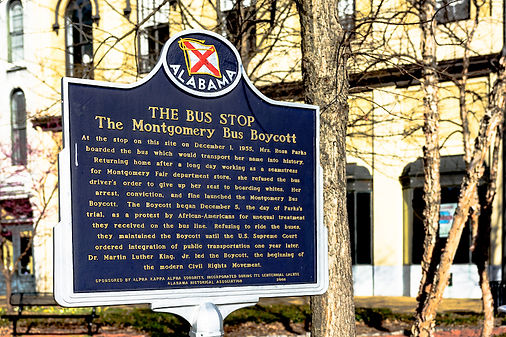
Founded in 1819, Montgomery served as the first capital of the Confederacy during the Civil War. Nearly a century later, it became a focal point of the Civil Rights Movement. Historic events such as the Montgomery Bus Boycott, led by Dr. Martin Luther King Jr., helped transform the nation and continue to shape the city's identity.
Today, visitors can explore nationally significant museums, memorials, historic churches, and educational sites that tell the story of Montgomery's past. The city also offers riverfront parks, local restaurants, and a growing arts and cultural scene.
Because many of Montgomery's top attractions are located within the downtown area, the city is easy to explore on foot, making it an ideal destination for anyone interested in American history and Southern culture.
Download the Complete Travel Guide
Includes:
-
✓ Complete travel guide
-
✓ Printable map
-
✓ One-day itinerary
-
✓ Hidden gems
-
✓ Travel tips
-
✓ Offline access
-
✓ Bonus recommendations not included on this page
Our Self Guided Tour
Explore Montgomery With a Self-Guided Walking Tour
One of the best ways to understand Montgomery’s history is by walking through the very streets where some of the most important events of the Civil Rights Movement took place. A self-guided walking tour allows visitors to explore the city at their own pace while learning the stories behind the landmarks and buildings that shaped American history.
Montgomery Civil Rights Walking Tour
This self-guided tour takes visitors through downtown Montgomery while highlighting some of the most important civil rights landmarks in the United States.
Tour highlights include:
Dexter Avenue Baptist Church, where Dr. Martin Luther King Jr. served as pastor
The Alabama State Capitol, where the Selma to Montgomery March concluded
Historic streets where civil rights demonstrations took place
Monuments and landmarks connected to the struggle for equality
The tour allows visitors to explore these sites while hearing the stories that shaped the Civil Rights Movement. Because the experience is self-guided, visitors can start whenever they want, pause to explore museums, and walk the city without following a large group tour.
For many travelers, a walking tour is one of the most meaningful ways to experience Montgomery’s history.
Free Things to Do
<p class="font_8">Montgomery offers many historic landmarks that visitors can explore for free, along with several museums and memorials that require admission.</p>
<p class="font_8"><br></p>
<h5 class="font_5"><strong>Free Things to Do</strong></h5>
<p class="font_8">Many important civil rights landmarks are free to visit.</p>
<p class="font_8">Free highlights include:</p>
<ul class="font_8">
<li><p class="font_8">Walking around the <strong>Alabama State Capitol grounds</strong></p></li>
<li><p class="font_8">Visiting <strong>Dexter Avenue Baptist Church</strong></p></li>
<li><p class="font_8">Exploring <strong>Riverfront Park</strong> along the Alabama River</p></li>
<li><p class="font_8">Walking historic downtown streets</p></li>
<li><p class="font_8">Visiting the <strong>Civil Rights Memorial</strong> outside the Southern Poverty Law Center</p></li>
</ul>
<p class="font_8">These locations allow visitors to learn about Montgomery’s history while exploring the city.</p>
<p class="font_8"><br></p>
<h5 class="font_5"><strong>Attractions With Admission Fees</strong></h5>
<p class="font_8">Some museums and historic sites charge admission.</p>
<p class="font_8">Popular ticketed attractions include:</p>
<ul class="font_8">
<li><p class="font_8"><strong>The Legacy Museum</strong></p></li>
<li><p class="font_8"><strong>National Memorial for Peace and Justice</strong></p></li>
<li><p class="font_8"><strong>Rosa Parks Museum</strong></p></li>
<li><p class="font_8"><strong>First White House of the Confederacy</strong></p></li>
</ul>
<p class="font_8">Many visitors combine museum visits with outdoor exploration and walking tours.</p>

Food!
Where to Stay
<p class="font_8">Montgomery offers accommodations ranging from historic boutique hotels to budget-friendly lodging.</p>
<p class="font_8"><br></p>
<h5 class="font_5"><strong>Historic Boutique Hotels</strong></h5>
<p class="font_8">Typical price range: <strong>$160–$320 per night</strong></p>
<p class="font_8">These hotels offer unique architecture and a historic atmosphere.</p>
<p class="font_8">Suggested hotels:</p>
<ul class="font_8">
<li><p class="font_8"><strong>The Lattice Inn</strong> – A charming historic bed-and-breakfast located near downtown.</p></li>
<li><p class="font_8"><strong>Red Bluff Cottage Bed & Breakfast</strong> – A cozy historic inn overlooking the Alabama River.</p></li>
<li><p class="font_8"><strong>The Trilogy Hotel Montgomery (Autograph Collection)</strong> – A stylish boutique hotel located downtown.</p></li>
</ul>
<p class="font_8">These properties provide a more intimate and historic experience for visitors.</p>
<p class="font_8"><br></p>
<h5 class="font_5"><strong>Downtown Montgomery Hotels</strong></h5>
<p class="font_8">Typical price range: <strong>$150–$300 per night</strong></p>
<p class="font_8">Staying downtown puts visitors close to major civil rights landmarks and museums.</p>
<p class="font_8">Suggested hotels:</p>
<ul class="font_8">
<li><p class="font_8"><strong>Renaissance Montgomery Hotel & Spa at the Convention Center</strong></p></li>
<li><p class="font_8"><strong>Embassy Suites by Hilton Montgomery Hotel & Conference Center</strong></p></li>
<li><p class="font_8"><strong>DoubleTree by Hilton Montgomery Downtown</strong></p></li>
</ul>
<p class="font_8">Downtown hotels allow visitors to walk to many of the city’s main attractions.</p>
<p class="font_8"><br></p>
<h5 class="font_5"><strong>Budget-Friendly Hotels</strong></h5>
<p class="font_8">Typical price range: <strong>$70–$130 per night</strong></p>
<p class="font_8">Budget travelers can find affordable accommodations near major highways.</p>
<p class="font_8">Suggested hotels:</p>
<ul class="font_8">
<li><p class="font_8"><strong>Sleep Inn & Suites Montgomery East I-85</strong></p></li>
<li><p class="font_8"><strong>Microtel Inn & Suites by Wyndham Montgomery</strong></p></li>
<li><p class="font_8"><strong>Comfort Inn & Suites Montgomery East Carmichael Road</strong></p></li>
</ul>
<p class="font_8">These hotels provide basic accommodations at lower prices.</p>
1 Day Itinerary
<p class="font_8">Montgomery can be explored in a short trip, but spending several days allows visitors to experience the city more fully.</p>
<p class="font_8"><br></p>
<h5 class="font_5"><strong>One Day Montgomery Itinerary</strong></h5>
<p class="font_8">Many travelers follow <strong>one-day Montgomery itineraries</strong> that focus on the city’s civil rights landmarks.</p>
<p class="font_8">Morning</p>
<ul class="font_8">
<li><p class="font_8">Visit the <strong>Alabama State Capitol</strong></p></li>
<li><p class="font_8">Walk Dexter Avenue</p></li>
<li><p class="font_8">Explore <strong>Dexter Avenue Baptist Church</strong></p></li>
</ul>
<p class="font_8">Afternoon</p>
<ul class="font_8">
<li><p class="font_8">Visit the <strong>Legacy Museum</strong></p></li>
<li><p class="font_8">Explore downtown historic streets</p></li>
<li><p class="font_8">Walk along the <strong>Riverfront Park</strong></p></li>
</ul>
<p class="font_8">Evening</p>
<ul class="font_8">
<li><p class="font_8">Take the <strong>Montgomery Civil Rights Walking Tour</strong></p></li>
<li><p class="font_8">Enjoy dinner at a downtown restaurant</p></li>
</ul>
<p class="font_8"><br></p>
<h5 class="font_5"><strong>Two Day Montgomery Itineraries</strong></h5>
<p class="font_8">With two days visitors can add:</p>
<ul class="font_8">
<li><p class="font_8"><strong>National Memorial for Peace and Justice</strong></p></li>
<li><p class="font_8"><strong>Rosa Parks Museum</strong></p></li>
<li><p class="font_8">additional historic sites and cultural attractions</p></li>
</ul>
<p class="font_8">Montgomery’s compact downtown makes it easy to see many landmarks in a short visit.</p>
FAQ's
<h2 class="font_2"><u><strong>FAQ: Visiting Montgomery</strong></u></h2>
<p class="font_8"><br></p>
<h5 class="font_5"><strong>What is Montgomery Alabama known for?</strong></h5>
<p class="font_8">Montgomery is best known for its role in the Civil Rights Movement and historic landmarks connected to Dr. Martin Luther King Jr. and the Montgomery Bus Boycott.</p>
<p class="font_8"><br></p>
<h5 class="font_5"><strong>Is Montgomery walkable?</strong></h5>
<p class="font_8">Downtown Montgomery is fairly compact, and many historic landmarks are within walking distance of each other.</p>
<p class="font_8"><br></p>
<h5 class="font_5"><strong>How many days should you spend in Montgomery?</strong></h5>
<p class="font_8">Most visitors spend <strong>one to two days</strong> exploring Montgomery’s museums, memorials, and civil rights landmarks.</p>
<p class="font_8"><br></p>
<h5 class="font_5"><strong>Are there walking tours in Montgomery?</strong></h5>
<p class="font_8">Yes. Walking tours are a popular way to explore the city’s civil rights landmarks and historic downtown streets.</p>
Recommended Tours
More Resources
