
Asbury Park's Luxury Rebrand

The median home in Asbury Park now sells for $871,478, up 23% in a single year — in a city where the median household income is under $76,000 and not one unit of the new waterfront construction is designated affordable housing.
Sit with that for a second. This is the same six-block stretch of New Jersey boardwalk where a broke, restless kid named Bruce Springsteen used to play for tips at a bar called the Student Prince, back when the whole town felt like it was one bad summer away from falling into the sea.
Asbury Park's luxury beach town rebranding is one of the most dramatic reinventions on the East Coast. But the question locals keep asking at city council meetings — and the one worth asking before you book a room — is whether the polish is covering something up, or building on top of something real.
From Grand Resort to "Dark City"
Asbury Park wasn't always rough. In the early 1900s it was a glamorous Victorian resort, the kind of place wealthy New Yorkers took the train to for a weekend by the water.
Things started cracking after World War II. The resort industry that had once recruited Black workers from the South during the Great Migration began pushing them out of the best jobs in favor of white teenagers from surrounding towns. By 1970, a city of 17,000 people — nearly a third of them Black — was sitting on decades of housing discrimination, blocked opportunity, and rat-infested tenements.
It boiled over on July 4th weekend, 1970. Six days of unrest. The National Guard rolled in. And Asbury Park never fully recovered its footing — property values collapsed, white flight accelerated, and by the time a teenage Springsteen moved into town in 1968, he later described it as already on a "downward trend."
Here's the part that gets left out of the glossy tourism copy: that decline is exactly what made the music scene possible.
How a Broke Town Built Rock and Roll History
Steve Van Zandt has said it plainly — the empty storefronts and dirt-cheap rents of a "Dark City" era Asbury Park let a completely different kind of bar culture take root. Nobody with money was fighting over these blocks, so a scrappy little club could do whatever it wanted.
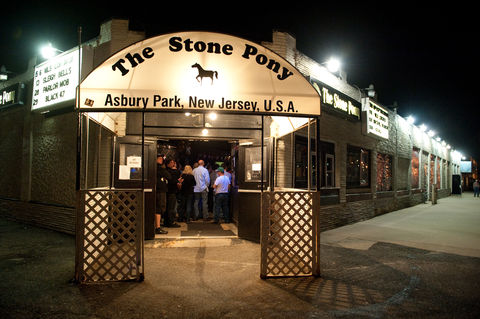
That's the origin story of the Stone Pony. Jack Roig bought the building — then an abandoned disco called the Magic Touch — without even stepping inside. Opening night, February 8, 1974, happened during a snowstorm. Total receipts for the night: one dollar.
From that dollar grew one of the most important music venues in American history:
Southside Johnny and the Asbury Jukes became the house band, evolving out of the Blackberry Booze Band
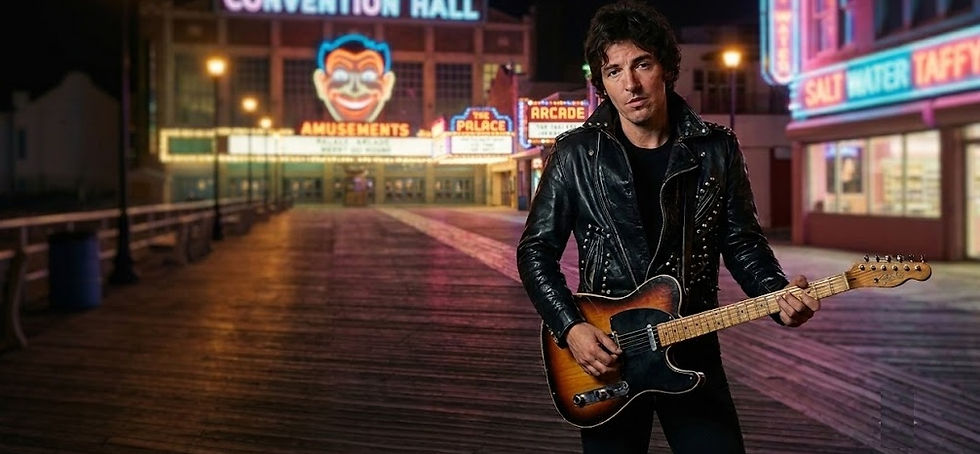
Springsteen played his first Stone Pony show within the venue's first year, and kept coming back for surprise sets for decades
The venue helped launch Jon Bon Jovi and hosted early sets from The Ramones, Blondie, and Cheap Trick
It closed in 1991 after bankruptcy, shut again in 1998, and reopened in 2000 — a boom-bust rhythm that basically mirrors the town itself
Springsteen didn't get famous at the Stone Pony — he was already a signed artist by the time he played there regularly. But this stretch of Asbury Park, the boardwalk, the Wonder Bar, the Student Prince where he met Clarence Clemons, is where his sound and his story actually formed. His 1973 debut album is literally titled Greetings from Asbury Park, N.J.
The Rebrand: Luxury Condos Where the Casino Used to Crumble
Fast forward to now. Asbury Park is routinely called the hottest stretch of the Jersey Shore, and the numbers back it up.
Boardwalk and beach-adjacent condos are running $850,000 to well over $1.8 million. A two-bed unit at The Aegean — GE Café appliances, waterfall quartz island, rooftop deck — closed for $899,999 in late 2025. Homes across the city sell in about 19–26 days, often at or above asking price.
This is the Asbury Park luxury beach town rebranding in action: boutique hotels, a walkable downtown full of design-forward restaurants, a Pride-friendly, art-friendly, food-scene-friendly reputation that draws day-trippers from Manhattan on the train.
But walk two blocks west of the beach and the story splits in two. The city's West Side median household income sits around $32,000 to $76,000 depending on the year and the source — a fraction of the boardwalk boom happening a ten-minute walk away. Not a single unit of the new waterfront construction is designated affordable housing. The Asbury Park school district hasn't collected meaningful tax revenue from the waterfront redevelopment at all, even as property taxes climb everywhere else in town.
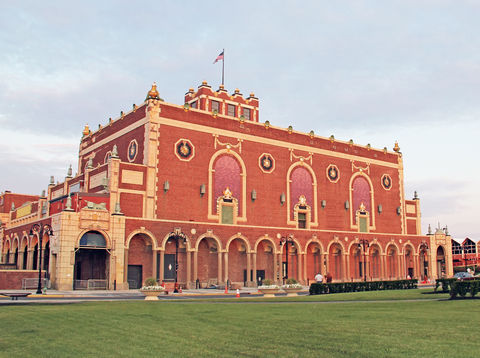
And then there's Convention Hall and the historic Casino building — the same boardwalk landmarks Springsteen name-checks in his songs — sitting closed and deteriorating for nearly five years, tangled in a legal fight over a reported $33.6 million in unmet repair obligations, while residents pack four-hour city council meetings demanding answers.
So yes — the rebrand is real. So is the history it's standing on top of.
Does the Glow-Up Erase the History?
This is the honest tension at the heart of Asbury Park right now, and it's worth sitting with instead of scrolling past.
The town's "comeback kid" image sells beautifully. Boutique hotel Instagram feeds, oceanfront brunch spots, a boardwalk that finally looks cared for again. But a 60-year academic look at the city's identity found something blunter: the popularized image has shifted from "resort town" to "riot zone" to "comeback kid," while the lived experience of the people who actually weathered the hard decades — many of them Black families displaced from the East Side — has stayed remarkably consistent: exclusion, resilience, and a fight over whose story gets told.
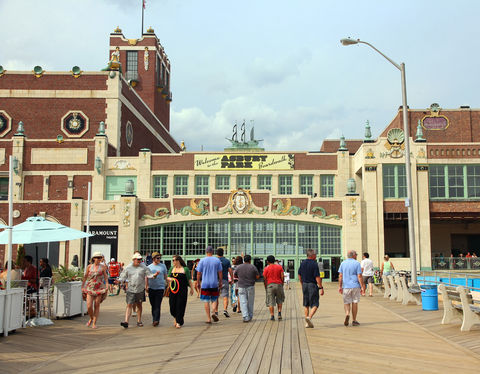
That's not a reason to skip Asbury Park. It's a reason to actually look at it, rather than just consume the surface.
The good news is you don't have to choose between the luxury weekend and the real history — you can walk straight through both, on the same afternoon, on the same six blocks.
Walk the Real Story, Not Just the Postcard
If you're heading to Asbury Park anyway — for the beach, the restaurants, the boutique hotel weekend — you're already standing on the ground where this whole story happened. The Wonder Bar where Springsteen still shows up unannounced. The spot where he met Clarence Clemons. The boardwalk stretch that inspired 4th of July, Asbury Park (Sandy). The Stone Pony, still standing, still loud on a Friday night.
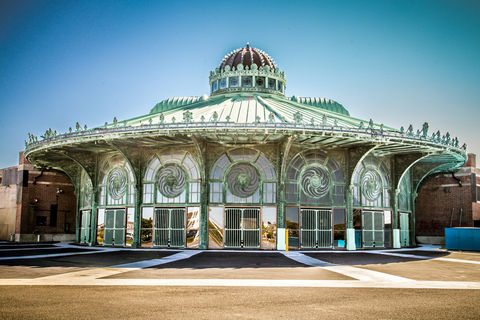
That's exactly what Bruce Springsteen's Asbury Park Self-Guided Walking Tour is built around. It's a GPS-guided, story-driven walk — no group, no schedule, just your phone narrating the real history as you move from the Wonder Bar to the Paramount Theatre, past Madam Marie's psychic booth, down to the Stone Pony, and finishing at the Carousel Building on the boardwalk.
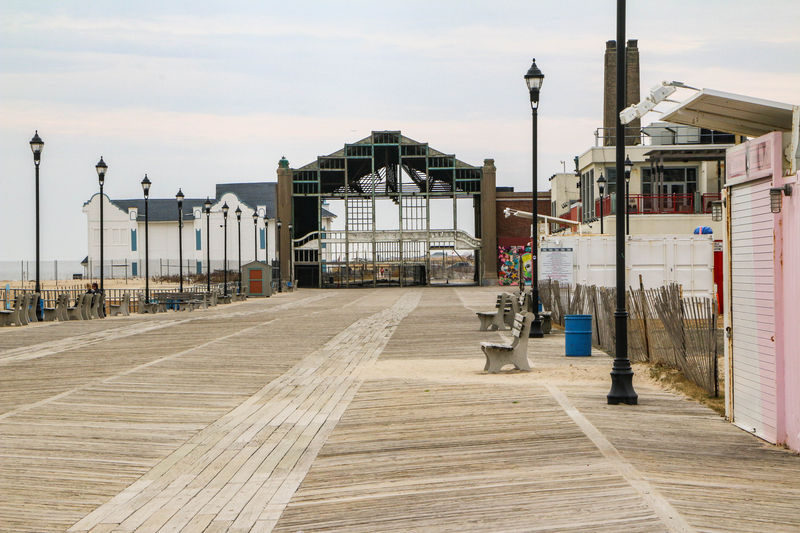
It takes about 1–2 hours, works completely offline once downloaded, and costs less than a boardwalk lunch. More importantly, it tells you the parts of Asbury Park's story that the luxury listings leave out — the riots, the decline, the scrappy bar scene that had nothing to lose, and the decades-long fight over who this town actually belongs to now.
If you're planning a weekend in Asbury Park, download the walking tour before you go — it turns a pretty beach town into the place that actually made a legend, riots and all.
See Asbury Park at Its Finest — With the History Intact
Asbury Park's luxury rebrand isn't fake, and it isn't the whole story either. The condos and the Convention Hall standoff, the boutique hotels and the West Side income gap, the Stone Pony marquee and the empty Casino building — they're all the same town, happening at the same time.
The best way to actually understand it — not just photograph it — is to walk it with the story running in your ear. Download Bruce Springsteen's Asbury Park Self-Guided Walking Tour and experience Asbury Park at its finest: the glow-up and the ghosts, together, exactly where it happened.


Comments